Introduction
In today's digital era, QR codes have become a popular tool for sharing information in a convenient and efficient manner. While QR codes are commonly associated with links to websites or text-based content, they can also be used to share audio information. This article will guide you through the process of creating QR codes specifically for audio information sharing, and explain the benefits it can bring.
The Process of Generating Audio QR Codes
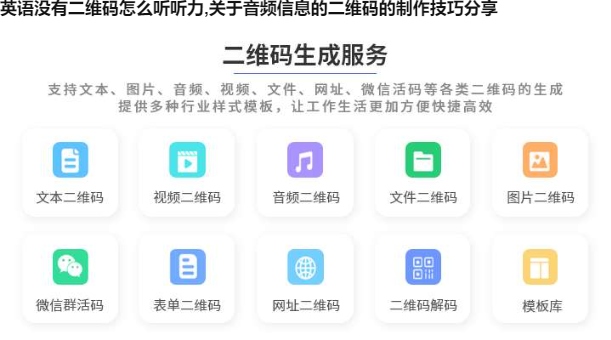
Step 1: Select a QR code generator platform
To create QR codes for audio information sharing, you can utilize online QR code generator platforms, such as the Yimeima QR code platform. These platforms allow you to generate QR codes easily and efficiently.
Step 2: Choose the audio file to link
Select the audio file that you wish to share. It can be a podcast, music, an audiobook, or any other audio content that you want your users to access. Make sure the file is saved on a compatible hosting service or accessible through a specific URL.
Step 3: Generate the QR code
Using the chosen QR code generator platform, input the URL or direct link to the audio file. Customize the design and size of the QR code to suit your preferences. Once you are satisfied with the settings, generate the QR code.
Step 4: Test and distribute
After generating the QR code, it is crucial to test it on various devices to ensure it works as intended. Once you have verified its functionality, share the QR code through appropriate channels such as social media, websites, or printed media.
Benefits of Using Audio QR Codes
1. Enhanced user experience
By incorporating audio into your QR codes, you provide a more engaging experience for users. Instead of reading text-based information, they can simply scan the code and listen to the audio content, making it more accessible and enjoyable.
2. Versatile usage
Audio QR codes can be used in multiple scenarios. They are particularly beneficial for advertising campaigns, language learning, podcasts, guided audio tours, and more. The flexibility of audio QR codes enables them to cater to a wide variety of industries and purposes.
3. Improved accessibility
For individuals with visual impairments, audio QR codes offer an alternative method of accessing information. By scanning the code, they can listen to the audio content using text-to-speech software or screen-readers, making it inclusive for all users.
4. Easy to share and distribute
QR codes are easy to share online or offline. You can integrate audio QR codes into your social media profiles, websites, brochures, or posters. This allows you to reach a broader audience and promote your audio content effectively.
QR codes have revolutionized the way we share information, and by incorporating audio into QR codes, we can further enhance the user experience and make information more accessible. By following the steps outlined in this article, you can create QR codes for audio information sharing and enjoy the benefits they bring. Whether it's for marketing campaigns, educational purposes, or tourism, audio QR codes provide a convenient and engaging way to share audio content with your audience.

 513
513  2023-11-17 12:00:02